Insights
Can Safety and Efficiency Go Hand-in-Hand in Aviation Fuel Operations?

Suraj Singh
Marketing Director, i6 Group

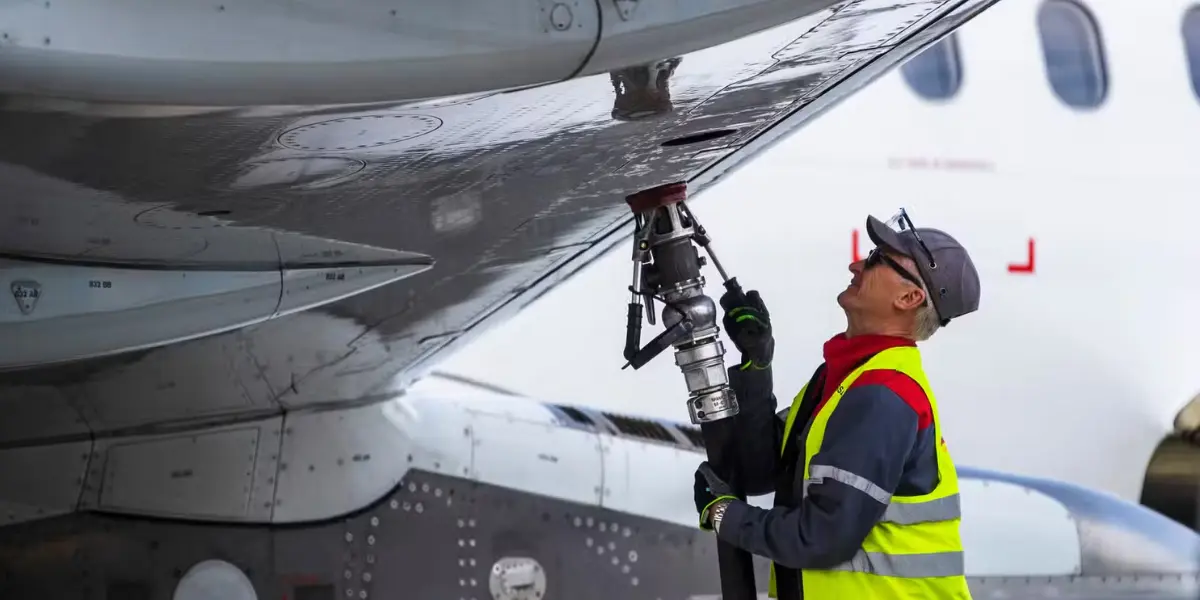
Traffic levels continue to rise. Turnaround windows are tight. Margins are under constant scrutiny. At the same time, the industry is placing an even stronger emphasis on safety, human factors, and measured operations on the apron.
On the surface, those two things can feel at odds.
Efficiency is often misunderstood as “faster”. Safety is often framed as “slower”.
But operators on the ground know the reality is more nuanced than that. The real question facing fuel operations today is not whether to prioritise safety or efficiency, but how to design operations where the two reinforce one another.
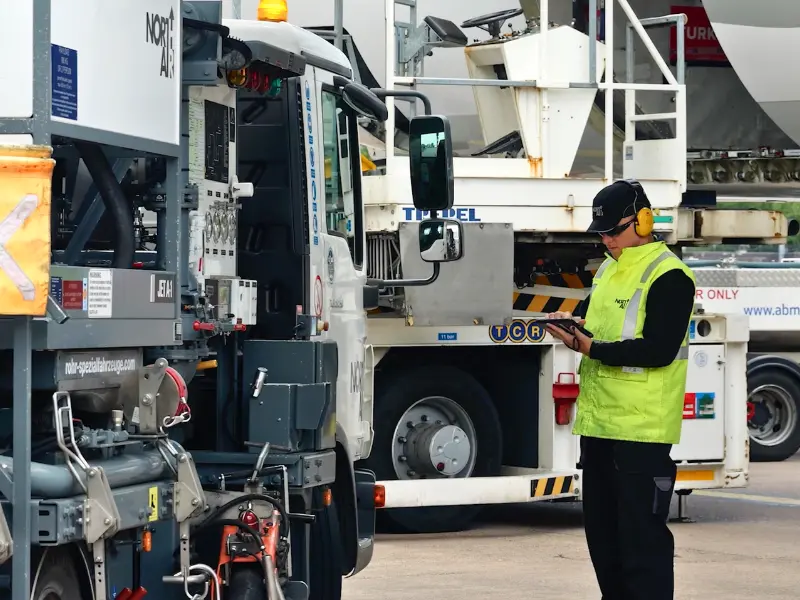
Fuel operations teams are dealing with sustained growth in flight movements, seasonal peaks that feel sharper every year, and increasingly complex operational environments. More aircraft types, more mixed fleets, more coordination across suppliers, into-plane providers, and airlines.
At the same time, the industry’s focus on human factors has never been stronger. Regulators, standards bodies, and operators themselves are emphasising calm, measured behaviour, clear communication, and the reduction of unnecessary risk.
That creates a genuine tension for teams on the ground.
When systems are fragmented or manual, the pressure shows up in very human ways:
None of that makes an operation safer. And, crucially, none of it makes it more efficient either.
One of the most useful shifts happening in the industry is a change in how efficiency is defined.
Efficiency is not about asking people to work faster. It’s about removing friction from the system.
In well-run fuel operations, efficiency looks like:
When those conditions are in place, operations naturally become calmer. And calmer operations are safer operations. This is where digital fuel management begins to matter, not as a shiny layer of technology, but as a way of supporting how people actually work.
--------------------------
Human factors are often discussed as individual behaviour. In reality, they are shaped by systems.
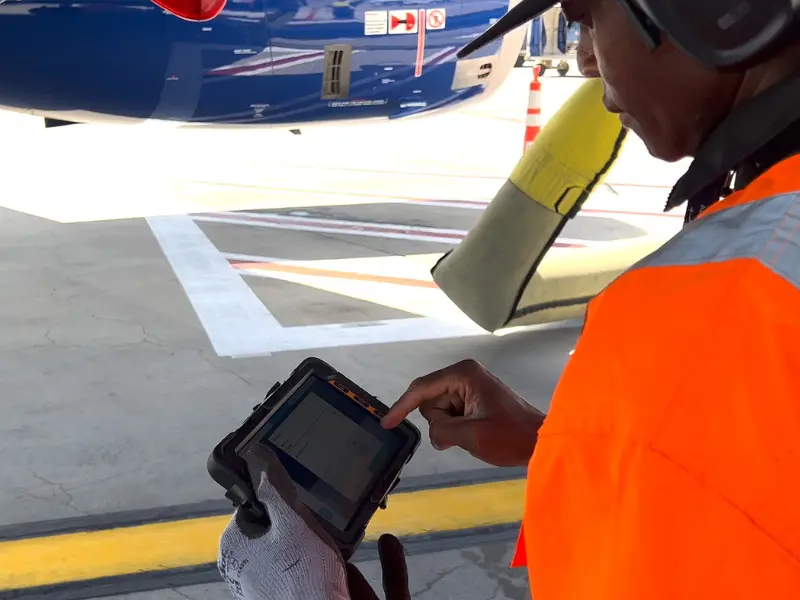
If an operator has to leave a vehicle to confirm fuel quantities, that introduces risk. If a pilot and operator rely on verbal confirmation under time pressure, that introduces ambiguity. If information is scattered across paper tickets, radios, and separate systems, that increases stress.
Digital workflows are not about replacing people. They are about designing processes that support people.
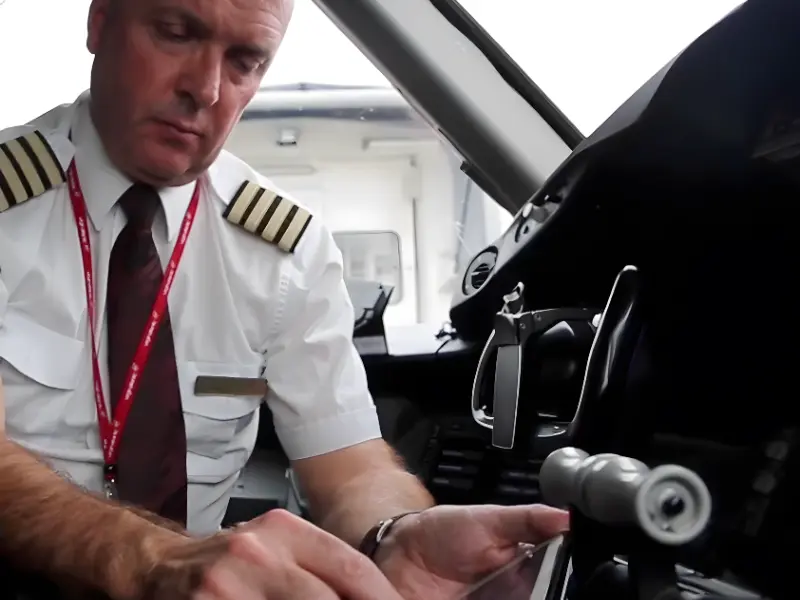
Tools like digital pilot sign-off and connected task management reduce the number of steps required to complete a job safely. They remove unnecessary movement, reduce miscommunication, and provide a clear, time-stamped record of what was agreed and when.
Across deployments, operators who have embraced technology consistently report the same outcome: calmer starts to the day, fewer disputes, and fewer moments where things feel out of control.
That is human factors engineering in practice, not theory.
--------------------------
One important point that experienced operators consistently emphasise is that safety must always come first. Efficiency is not something to be pursued at the expense of safety.
But when systems are designed properly, safety and efficiency are not competing goals.
Clear standards, supported by consistent digital processes, allow teams to work with confidence. Automation does not remove responsibility. It removes ambiguity.
Managers move from micromanaging to overseeing. Operators focus on refuelling rather than administration. Communication becomes confirmation rather than negotiation.
In that environment, efficiency emerges as a by-product of good safety practice.
--------------------------
Across different regions and operation types, the same patterns keep appearing:
These pressures are not limited to major hubs. Regional and mid-sized operations feel them just as strongly, often with smaller teams and less room for error. The shift underway is not about chasing speed. It is about building control into everyday operations.
As flight activity continues to increase, the industry cannot afford to treat safety and efficiency as a trade-off.
The most resilient fuel operations are the ones investing in systems that support people, reduce stress, and make the right way of working the easy way of working.
That is the real opportunity of digital fuel management today.
Not faster for the sake of it. Smarter, calmer, and safer by design.
--------------------------
As pressure on fuel operations continues to rise, teams are being asked to deliver tighter turnarounds without compromising safety or human factors.
In this discussion-led session, we’ll explore how digital workflows are helping fuel operations become calmer, more controlled, and more resilient, with a particular focus on airline-facing processes and paperless refuelling.
📅 30 January 2025
🕒 3:15pm GMT
👉 Register now to join the discussion: https://watch.getcontrast.io/register/i6-group-can-safety-and-efficiency-go-hand-in-hand-in-aviation-fuel-operations
.png)